
Request Request an Appointment Call Call Us Forms Forms Map View Map Google Google Facebook Facebook

Dental Veneers in Auburn: What to Know Before Choosing Veneers for Your Teeth

October 12, 2026

Filed under: Blogs,Uncategorized — Peach @ 5:12 am

If you are unhappy with the appearance of your teeth because of discoloration, small chips, uneven edges, or differences in tooth shape, dental veneers may be one cosmetic treatment worth considering. Veneers can change the visible appearance of teeth while creating a more consistent-looking smile.

If you are researching dental veneers in Auburn, it is helpful to understand what veneers can do, what the treatment involves, how much they may cost, and what to consider before moving forward.

What Are Dental Veneers?

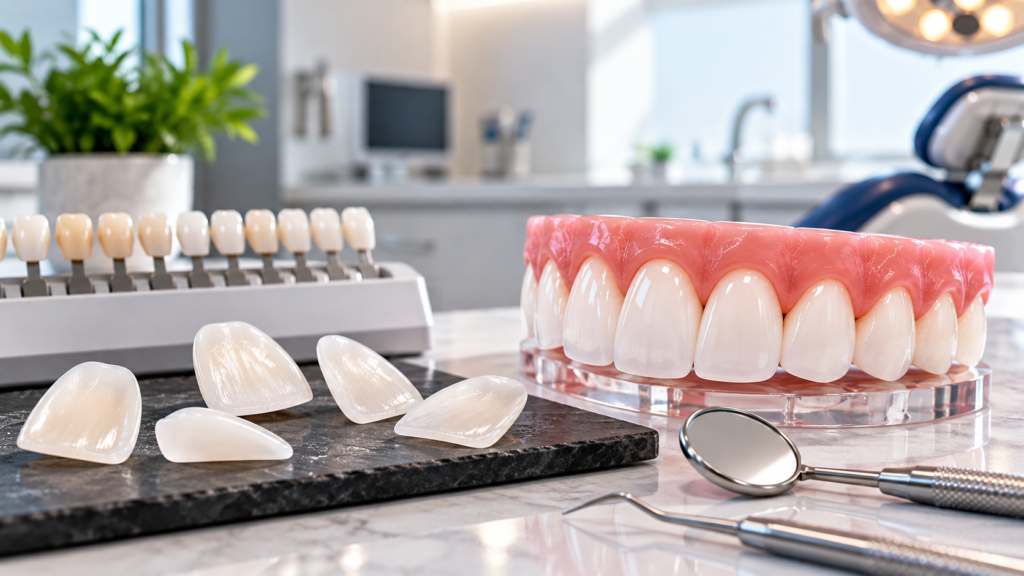
A dental veneer is a thin, custom-made covering designed to attach to the visible surface of a tooth. Veneers can be made from different materials, with porcelain being one common option.

Because veneers cover the front portion of a tooth, they can be used to improve several cosmetic concerns, including:

  • Discolored or stained teeth
  • Small chips
  • Uneven tooth edges
  • Slightly misshapen teeth
  • Differences in tooth size or shape
  • Certain gaps between teeth
  • Other minor cosmetic imperfections

Veneers are primarily a cosmetic treatment. They do not replace the need for routine dental care or treatment of underlying dental problems.

What Can Veneers Change About Your Smile?

One of the main benefits of veneers is that several cosmetic characteristics can be addressed as part of one treatment plan.

Tooth Color

Veneers can change the visible color of treated teeth. This can be useful when teeth have discoloration that does not respond as expected to traditional whitening.

The shade is selected as part of the treatment planning process. The goal should be a color that works with the rest of your smile rather than simply choosing the brightest shade available.

Tooth Shape

Veneers can alter the visible shape of teeth. They may help make certain teeth appear more even in size or create more consistent edges across the smile.

Small Chips and Uneven Edges

Minor chips and uneven tooth edges can make a smile look irregular. Veneers may be used to improve the appearance of certain teeth with these concerns.

Overall Smile Appearance

When several teeth have different colors, shapes, or proportions, the smile may appear uneven. A carefully planned veneer treatment can create a more consistent appearance among the teeth being treated.

What Is the Difference Between a Veneer and a Crown?

Veneers and crowns are both dental restorations, but they are used differently.

A veneer generally covers the visible front surface of a tooth and is primarily used for cosmetic changes.

A crown covers a much larger portion of a tooth and may be recommended when a tooth has significant structural damage or needs greater protection.

The right option depends on the condition of your tooth and the result you are trying to achieve. A dental examination can help determine which treatment is appropriate.

What Should You Expect During Veneer Treatment?

The exact process depends on your teeth and treatment plan, but veneer treatment generally involves several steps.

1. Consultation

Your dentist will first examine your teeth and gums and discuss what you would like to change about your smile.

Your bite, existing restorations, tooth structure, and overall oral health may also be considered.

2. Treatment Planning

If veneers are appropriate, your dentist can plan the number of teeth being treated along with the desired shape, size, and shade.

This planning stage is important because veneers need to work together as part of the overall smile.

3. Tooth Preparation

Some veneer treatments require a small amount of enamel to be removed from the front of the tooth.

Your dentist should explain what preparation will be needed before treatment begins.

4. Veneer Placement

The veneers are checked for fit and appearance before they are bonded to the teeth.

Once the planned fit and appearance are confirmed, the veneers are attached to the teeth.

5. Final Check

Your dentist can evaluate the finished result, including the appearance and bite, and make any necessary adjustments.

How Much Do Dental Veneers in Auburn Cost?

The cost of dental veneers in Auburn can vary considerably from one patient to another.

Factors that may affect the total cost include:

  • The number of veneers needed
  • The type of material used
  • The amount of preparation required
  • The complexity of the treatment
  • Whether additional dental treatment is needed first
  • The dental practice and laboratory involved

Because of these variables, it is difficult to give one price that applies to everyone.

If you are looking for affordable teeth veneers, compare treatment plans rather than focusing only on the lowest advertised price. Ask what is included in the quoted cost, which material will be used, how many teeth are included, and whether additional procedures may be necessary.

Are Veneers Right for Everyone?

Veneers are not appropriate for every patient.

Before recommending veneers, a dentist may evaluate:

  • Tooth and gum health
  • Existing cavities or dental infections
  • Available tooth structure
  • Your bite
  • Existing restorations
  • Tooth grinding or clenching
  • Your cosmetic goals
  • Your expectations for the final result

If you have untreated cavities, gum disease, or another dental issue, those problems may need to be addressed before cosmetic treatment.

How Long Do Veneers Last?

Veneers are designed to be durable, but they can still become damaged or worn over time.

How long they last can depend on factors such as oral hygiene, bite forces, daily habits, and how well they are maintained.

Avoid biting hard objects, opening packages with your teeth, or using your teeth as tools. If you grind or clench your teeth, discuss this with your dentist because excessive forces can affect dental restorations.

Regular dental visits can also help your dentist monitor the condition of your veneers and the natural teeth underneath them.

How Should You Care for a Teeth Veneer?

Veneers still require regular dental care.

  • Brush your teeth regularly.
  • Clean between your teeth every day.
  • Keep routine dental appointments.
  • Avoid chewing on very hard objects.
  • Do not use your teeth to open packages.
  • Follow your dentist’s specific care instructions.

A veneer covers part of the tooth, but the natural tooth underneath still needs to remain healthy.

What Should You Ask Before Choosing Veneers?

Before starting treatment, it is worth having a detailed conversation with your dentist.

Consider asking:

  • Are veneers appropriate for my teeth?
  • How many teeth would you recommend treating?
  • What type of veneer material is being recommended?
  • How much tooth preparation will be required?
  • What will the total treatment cost include?
  • Are there other cosmetic options I should consider?
  • How should I care for the veneers after placement?
  • What happens if a veneer becomes damaged?

These questions can help you understand the treatment before making a decision.

Choosing Dental Veneers in Auburn

If you are considering dental veneers in Auburn, look for a dentist who takes time to evaluate your teeth and discuss your goals rather than treating veneers as a one-size-fits-all procedure.

A good consultation should cover the condition of your teeth, the cosmetic changes you want, the treatment process, expected costs, and alternatives that may also be suitable.

It is also important to have realistic expectations. Veneers can improve the appearance of teeth, but the final result depends on your existing teeth, treatment plan, material, and individual smile characteristics.

Frequently Asked Questions

Are veneers only for cosmetic purposes?

Veneers are primarily used to improve the appearance of teeth. They may address concerns involving color, shape, minor chips, and other visible imperfections.

Can veneers make my teeth look whiter?

Yes. Veneers can change the visible shade of treated teeth. Your dentist can help you select a shade that fits the overall appearance you want.

What does a teeth veneer cover?

A veneer generally covers the visible front surface of a tooth. The amount of preparation and coverage depends on the type of veneer and treatment plan.

Are affordable teeth veneers always the best option?

Not necessarily. When comparing affordable teeth veneers, consider the material, treatment plan, number of teeth involved, preparation, laboratory work, and what is included in the total cost.

Can veneers fix crooked teeth?

Veneers may improve the appearance of teeth that are slightly uneven or have minor alignment concerns, but they are not a replacement for orthodontic treatment in every case.

How do I know if I am a candidate for veneers?

A dental examination is the best way to determine whether veneers are appropriate. Your dentist can assess your oral health, tooth structure, bite, and cosmetic goals.

Conclusion

Dental veneers can improve the visible color, shape, and overall appearance of teeth with certain cosmetic concerns. They may be an option for people dealing with discoloration, small chips, uneven edges, or teeth that appear misshapen.

If you are considering dental veneers in Auburn, start with a consultation to understand your options, expected costs, treatment process, and whether veneers are appropriate for your teeth. Taking the time to understand these factors can help you make a more informed decision about your smile.

How to Choose a Dentist in Auburn, WA for Your Family

October 7, 2026

Filed under: Uncategorized — Peach @ 6:21 am

Choosing a family dentist is a decision that can shape where and how your household receives dental care over time. The right office should be able to address your family’s current needs while also making routine visits practical to maintain.

If you are searching for a dentist Auburn WA, start with more than the office’s location or a list of online ratings. Consider the services available, how the team communicates, appointment convenience, and whether the practice can accommodate the people in your household.

A good choice is one that makes it easier to keep up with preventive care and gives you a place to turn when a dental concern needs attention.

What Should You Consider When Choosing a Dentist in Auburn, WA?

There is no single feature that makes a dental office the right fit for every family. Your priorities may be different if you have young children, need restorative treatment, or mainly want regular examinations and cleanings.

Before choosing a dentist in Auburn WA, consider the following areas.

1. Check Which Dental Services Are Available

A practice that can provide a range of services may make dental care simpler for a family because different needs can be handled through the same office.

Routine preventive visits may include examinations and professional cleanings, while other patients may need care for cavities, tooth sensitivity, damaged teeth, gum concerns, crowns, cosmetic issues, or dental emergencies.

If several members of your household need care, look at whether the office offers services appropriate for both adults and children.

2. Consider the Dentist’s Experience and Communication

Clinical experience is worth considering, but the way a dentist explains care matters too. You should feel comfortable asking what a dental problem means, why treatment is being suggested, and what other choices may be available.

For example, if an examination reveals tooth decay, a useful conversation should cover the condition, possible treatments, what could happen if it is left untreated, and what the procedure may involve.

Clear explanations can make it easier to understand your choices and participate in decisions about your dental care.

3. Make Sure the Location and Schedule Work

A dental office may look ideal on paper, but regular care becomes harder to maintain if appointments are difficult to fit into your routine.

Think about:

  • Distance from your home, workplace, or school
  • Appointment times that fit your schedule
  • How easily new and follow-up appointments can be arranged
  • Whether multiple family members can be scheduled conveniently
  • How cancellations and rescheduling are handled
  • Whether the office is practical for regular visits

Convenience is not simply about driving distance. A workable appointment schedule can make it easier to stay consistent with dental care.

4. Look at How the Office Approaches Children’s Dental Care

Children may need a different approach to dental visits than adults. If you are selecting one office for your family, find out how the practice helps younger patients become comfortable with examinations and routine treatment.

Parents may also want to know whether the dental team is available to answer questions about brushing, flossing, developing teeth, diet, and other parts of a child’s oral health.

A dental office that can comfortably serve both children and adults may simplify scheduling for the entire household.

5. Don’t Limit Dental Care to Cleanings

Regular dental visits are useful even when nothing hurts. An examination gives the dentist an opportunity to look for early signs of tooth decay, gum problems, damaged teeth, and other oral health concerns.

Professional cleanings can also remove plaque and buildup that daily brushing and flossing may not fully eliminate.

Keeping routine appointments can help you stay aware of changes in your oral health and address concerns before they become more difficult to manage.

What If You Already Have a Dental Problem?

You do not need to wait for a scheduled cleaning when something changes in your mouth.

Contact a dental office if you notice:

  • Ongoing or worsening tooth pain
  • New or increased sensitivity
  • Bleeding or swollen gums
  • A cracked or broken tooth
  • Pain while chewing
  • A loose tooth
  • A crown, filling, or other restoration that has come out
  • Swelling around a tooth or the jaw

Some problems become more complicated when treatment is delayed. If you are uncertain about the urgency of a symptom, calling the dental office can help you decide what to do next.

6. Use Online Reviews as One Source of Information

Reviews can provide useful insight into other patients’ experiences, but one review should not determine your decision.

Instead, look for recurring themes. You might pay attention to comments about:

  • Communication with the dental team
  • Staff interactions
  • Appointment and scheduling experiences
  • Cleanliness
  • Waiting times
  • How clearly treatment is explained
  • Overall patient experience

Then compare those patterns with the services, location, appointment options, and other factors that matter to your family.

7. Look Beyond the Lowest Advertised Price

Cost is an important part of planning dental care, but the cheapest advertised service does not necessarily tell you which office is the best fit.

When comparing practices, consider the overall value and ask how treatment costs are presented.

Questions worth asking include:

  • Does the office accept your insurance, if applicable?
  • What payment options are available?
  • Are financing options offered?
  • Will you receive an explanation of treatment costs before care begins?
  • Are there different treatment options to consider?

Knowing the expected cost and understanding what the treatment includes can make it easier to make an informed decision.

Questions to Ask a Dental Office Before Choosing

You do not need a long checklist. A few practical questions can tell you a lot about how the office operates.

  • What dental services do you provide?
  • Do you treat both children and adults?
  • How far in advance should routine appointments be scheduled?
  • What should I do if I have a dental emergency?
  • What payment or financing options are available?
  • How are treatment costs explained before care?
  • What can I expect during a new-patient visit?

The answers can help you decide whether the office matches your family’s needs and expectations.

What Happens at a New Dental Appointment?

A first visit commonly begins with a review of your dental history and current concerns. The dentist may perform an examination and recommend X-rays when they are appropriate for your situation.

If a problem is identified, the dentist can explain the findings and discuss recommended care or possible next steps.

Use the appointment to ask questions. If a dental term or recommendation is unclear, ask for an explanation in simpler language. You should leave with a reasonable understanding of what was found and what happens next.

How Often Should You Visit the Dentist?

There is no identical appointment schedule for every person. The appropriate frequency depends on your oral health, dental history, risk factors, and your dentist’s recommendations.

Regular examinations allow your dentist to monitor changes and identify potential problems. Keeping a consistent schedule can also make it easier to maintain preventive care.

Should Everyone in the Family See the Same Dentist?

Using one dental office for the household can make scheduling and record-keeping more convenient, particularly when several family members need regular appointments.

However, convenience should not be the only consideration. The office should be able to provide appropriate care for each person based on age, dental needs, and treatment requirements.

Finding the Right Dentist in Auburn, WA

Choosing a dentist in Auburn WA becomes easier when you compare the factors that will actually affect your family’s experience.

Look at the services the office provides, how convenient appointments are, how the dental team communicates, how patients describe their experiences, and whether the practice can support your needs over time.

You may not find every preferred feature immediately, so take the time to compare your options. The goal is to find a dental office where your family feels comfortable asking questions and can maintain regular care.

Frequently Asked Questions

How do I choose the best dentist in Auburn, WA?

Consider the services offered, location, appointment availability, communication style, patient experience, and whether the practice can meet the needs of everyone in your household.

Should my whole family see the same dentist?

One dental office can make scheduling and regular care more convenient, but the most important factor is whether the practice can provide suitable care for each family member.

How often should I visit the dentist?

Your recommended schedule depends on your individual oral health and your dentist’s advice. Regular examinations help monitor changes and identify potential concerns.

What should I do if I have a dental problem between appointments?

Contact your dental office and explain what you are experiencing. The dental team can help determine whether you need an earlier appointment or an urgent evaluation.

What should I ask before starting dental treatment?

Ask what the dental problem is, what treatment choices are available, why a particular option is recommended, what the procedure involves, and what the expected cost will be.

What should I look for in a family dental office?

Look for services that match your family’s needs, convenient scheduling, clear communication, appropriate care for children and adults, and a patient experience that makes regular visits easier to maintain.

Choose a Dental Office That Works for Your Family

The right dental office should make routine care practical and give you confidence that you can get help when a dental problem arises.

When comparing a dentist Auburn WA, consider more than location or price. Look at the services, scheduling, communication, patient experience, and the office’s ability to support your family’s dental needs over time.

Auburn Dental Smiles can be a starting point for families looking for dental care in Auburn, Washington.

Visit https://auburndentalsmiles.com/ to learn more about Auburn Dental Smiles.